
Archaeological Museum: Discover Crete's Ancient Treasures
June 17, 2025

I spent about two hours exploring the museum's fascinating collection of Minoan artifacts, feeling like I was uncovering the hidden stories of ancient Cretan civilization. The museum's location near Agios Nikolaos lake and its compact but rich exhibits made it a perfect stop for understanding the archaeological depth of eastern Crete.
Uncover the secrets of Crete's prehistoric past through a treasure trove of artifacts hidden in a small museum by the sea. Step into a world where stone tools and ceramic fragments reveal the untold stories of ancient Mediterranean civilizations.
Need-to-Know Info Before Visiting Archaeological Museum of Agios Nikolaos



5+
images
Archaeological Museum of Agios Nikolaos Address
25is Martiou Street, Agios Nikolaos 72100, Crete, Greece
Archaeological Museum of Agios Nikolaos Opening Hours
- 🕒 Tuesday-Sunday: 8:30 AM - 3:00 PM
- 🕒 Closed on Mondays
- 🕒 Seasonal hours may vary, check website before visiting
How to get to Archaeological Museum of Agios Nikolaos
- 🚗 By car: Free parking available near museum entrance
- 🚌 Public transport: Local KTEL buses from city center
- 🚕 Taxi: Approximately 5-minute ride from downtown Agios Nikolaos
What is Archaeological Museum of Agios Nikolaos known for?
- Houses extensive collection of Minoan artifacts from eastern Crete
- Displays prehistoric ceramics, stone tools, and bronze objects from local archaeological sites
- Exhibits remarkable collection of sculptures and figurines from various historical periods
- Provides comprehensive overview of local archaeological developments from Neolithic to Roman periods
What is Archaeological Museum of Agios Nikolaos in Agios Nikolaos (Crete)?
Tucked away in the charming coastal town of Agios Nikolaos, this archaeological museum stands as a crucial window into Crete's rich prehistoric and historical landscape. Travelers and history buffs gravitate to this compact museum, which packs an impressive collection of artifacts from eastern Crete into a relatively small space. Located just steps from the town's picturesque lake, the museum attracts around 30,000 visitors annually, drawing archaeology enthusiasts and curious travelers seeking to understand the island's deep cultural roots. Visitors can expect a carefully curated display of Minoan ceramics, bronze tools, and stone artifacts that tell the story of human settlement in this region, spanning from the Neolithic period through the Roman era. The museum's collection focuses heavily on local archaeological discoveries from nearby sites like Gournia, Vasiliki, and Mochlos, offering an intimate look at the daily life, craftsmanship, and cultural developments of ancient Cretan civilizations. Small but significant, the museum provides context to the archaeological treasures scattered across eastern Crete, making it a strategic stop for travelers wanting to understand the island's complex historical narrative before exploring other archaeological sites.
Top things to do at Archaeological Museum of Agios Nikolaos
- Explore the Minoan ceramic collection, featuring intricate pottery from 2000-1450 BCE with unique patterns and craftsmanship from eastern Cretan archaeological sites
- Examine prehistoric stone tools and bronze artifacts that reveal ancient technological developments and daily life in Cretan settlements
- View the museum's collection of Geometric and Archaic period sculptures, showcasing the artistic evolution of local sculptural techniques
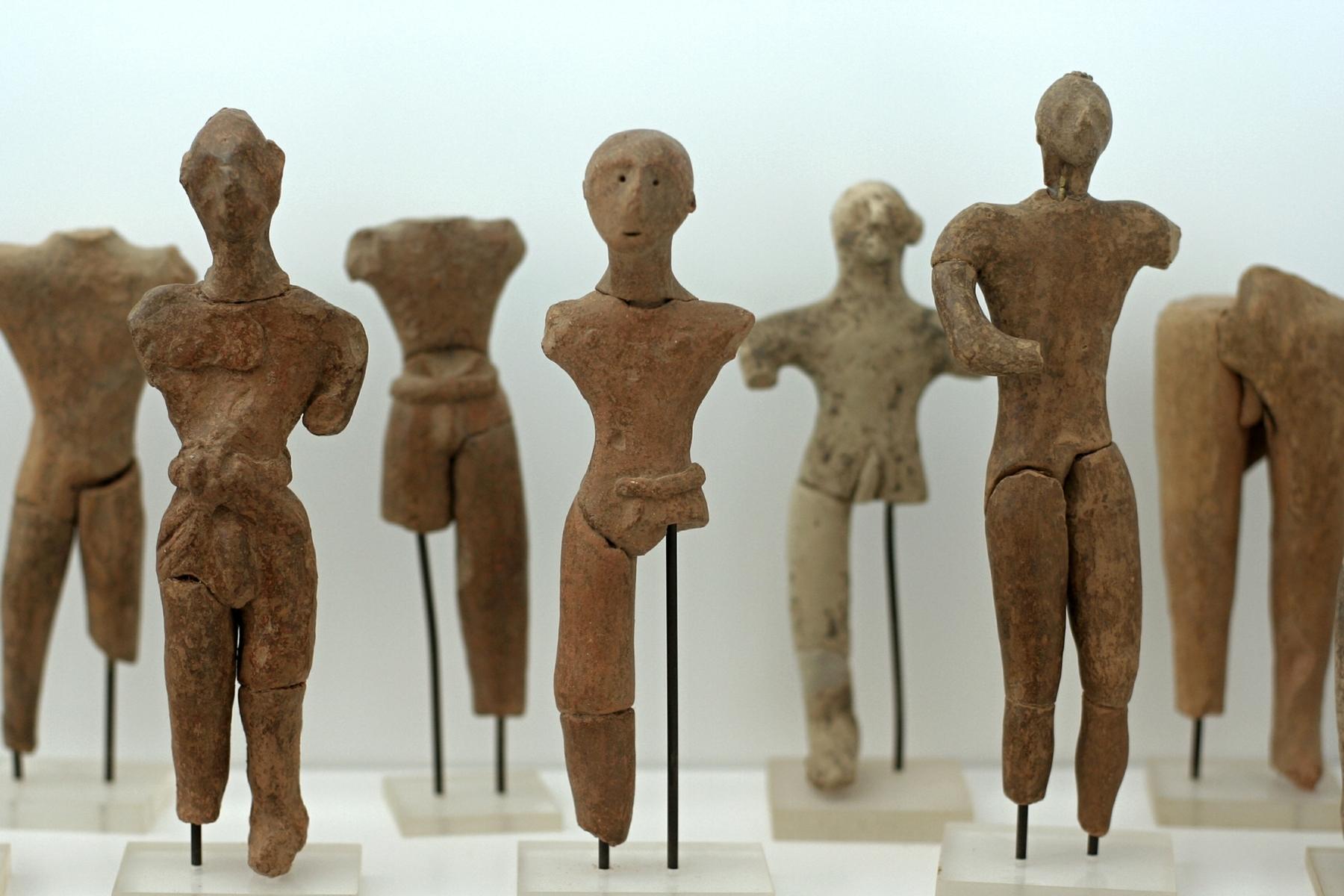
- Check out the exhibition of clay figurines and ritual objects from Gournia, Vasiliki, and Mochlos archaeological sites, offering insights into religious practices
- Study the Roman period artifacts, including marble sculptures and everyday objects that demonstrate cultural transitions in Cretan society
- Take advantage of the museum's educational displays explaining archaeological excavation methods and the significance of local historical discoveries
🎟️ Tickets for Archaeological Museum of Agios Nikolaos
Standard adult entry costs 4 euros. Reduced tickets for students and seniors are 2 euros. Children under 12 enter free. Tickets can be purchased at the museum entrance or online through the official museum website. No need to book in advance during off-peak seasons. Summer months (June-August) might require pre-booking to avoid long queues.
📅 Best Time to Visit Archaeological Museum of Agios Nikolaos
Spring (April-May) and autumn (September-October) offer the most comfortable temperatures and fewer tourist crowds. Summer months are busiest but provide longest museum hours. Winter visits might have reduced hours and potential weather-related disruptions. Aim to visit midweek and before 2 PM to enjoy more relaxed exploration and better interaction with exhibits.
History of Archaeological Museum of Agios Nikolaos
- 1960: Initial plans developed to create a dedicated archaeological museum in Agios Nikolaos
- 1969: Official museum establishment to preserve local archaeological findings
- 1970-1980: Significant artifact collection phase from eastern Cretan archaeological sites
- 1985: Major renovation and expansion of exhibition spaces
- 2000: Digital cataloging and modernization of museum displays
- 2010: Updated interpretation centers added to enhance visitor understanding of exhibits
❗ Tips for Visitors
- Allow 1-2 hours for complete museum exploration
- Photography permitted without flash in most exhibition areas
- Wear comfortable walking shoes for museum navigation
- Free guided tours available in English during peak tourist season
- Small museum shop sells archaeological replicas and local books
- Nearby cafes offer good lunch options after museum visit
What are some interesting facts about Archaeological Museum of Agios Nikolaos?
- The museum's collection contains artifacts from archaeological sites that were once completely underwater, revealing how ancient Cretan settlements adapted to changing sea levels
- Many exhibits feature ceramic pieces from Gournia, one of the best-preserved Minoan town sites in Crete, which was discovered by an American archaeologist in 1901
- Some prehistoric stone tools in the museum's collection date back over 7,000 years, representing some of the oldest human-made objects found in eastern Crete